Email Marketing Intelligence Tools — the 2026 buyer's guide
MailCharts went enterprise-only. Here's every working tool in the category, what each is actually good for, and how to pick.
The email marketing intelligence category shifted hard in November 2025 when MailCharts (acquired by Litmus in 2024) sunset its self-serve plans. The $99/mo and $299/mo subscriptions that had defined the category for a decade went away. New customers now go through Litmus enterprise sales, with pricing in the low five figures annually. That left a real gap in the $19–99/mo tier — where most solo marketers, freelancers, agencies, and indie founders actually live. This buyer's guide covers every working tool in the category, with detailed per-tool profiles, a feature comparison across the whole set, a decision framework based on your actual workflow, and migration checklists for the common transitions (MailCharts → BadRep, ConvertKit → Newsletrix, and so on). Related methodology: /guides/competitor-email-intelligence for the pillar guide; /guides/test-competitor-emails-safely for the burner-inbox alternative; /guides/how-to-spy-on-competitor-emails for the strategic framing.
What changed in November 2025 (and why this page exists)
MailCharts sunset self-serve. The category has been rearranging ever since.
MailCharts launched in 2013 and became the de facto standard of email intelligence over the following decade. Lifecycle marketers at mid-market DTC brands relied on it. Their archive depth (back to 2013) was unmatched. Their classification taxonomy shaped how the industry talked about email programs — the language of 'hook types,' 'copy frameworks,' and 'lifecycle stages' as structured metadata came out of MailCharts's UI.
For most ex-MailCharts customers — solo marketers, agencies, indie founders — the Nov 2025 change priced them out overnight. The displacement created a wave of 'MailCharts alternative' searches that's still ramping six months later. Most of the wave got absorbed by three tools: Newsletrix at $9/mo (newsletter-specialist — see Newsletrix), Panoramata at $99/mo (multi-channel — see Panoramata), and BadRep at $19/mo (this site — see /brands for the catalog). The remaining tools in the category — Milled (free — see Milled), Really Good Emails (see Really Good Emails), SendView (see Sendview), and Owletter (see Owletter) — each cover different corners of the workflow.
Why the whole category is rearranging around what happened in late 2025.
- 2013
MailCharts launches
Founded by Tom Buchok and a small NYC team. First dedicated competitor email intelligence tool. Initial focus: DTC e-commerce brands (Casper, Birchbox, Allbirds, etc).
- 2015–2020
Becomes the category standard
Grows to 2,500+ tracked sender programs. Lifecycle marketers at mid-market DTC brands adopt it as their reference tool. The 'hook type' and 'copy framework' vocabulary used across the email marketing industry gets codified here.
- 2021–2023
Product matures, self-serve tiers stable
$99/mo Pro tier + $299/mo Plus tier become the standard subscriptions. Deep archive back to 2013 becomes the moat.
- 2024
Litmus acquires MailCharts
Litmus (email testing + rendering platform) acquires MailCharts. Integration work begins immediately. Existing self-serve customers stay on legacy plans.
- Nov 2025
Self-serve plans sunset
Litmus folds MailCharts into their enterprise platform. $99/mo and $299/mo self-serve tiers are eliminated. New customers go through enterprise sales with pricing starting in the low 5-figures annually and annual contracts as the only option. Full transition story at Mailcharts.
- 2026
Category rearrangement
Displaced customers migrate to Badrep at $19/mo, Newsletrix at $9/mo, Panoramata at $99/mo, and burner-inbox setups (see test competitor emails safely).
The short answer — BadRep at $19/mo
For most buyers displaced by the MailCharts self-serve sunset, BadRep is the closest replacement. 508 brands. 14,241 classified emails. Free preview at /preview — no signup required.
BadRep is the tool we make. We built it because the November 2025 MailCharts change left a real gap in the $19–99/mo tier — the range where solo marketers, freelancers, indie founders, and small agencies actually live. If you were on MailCharts self-serve, the migration to BadRep takes about 30 minutes (export your watchlist, sign up in a browser, star the same brands in our catalog). Full migration walkthrough at the MailCharts alternative comparison.
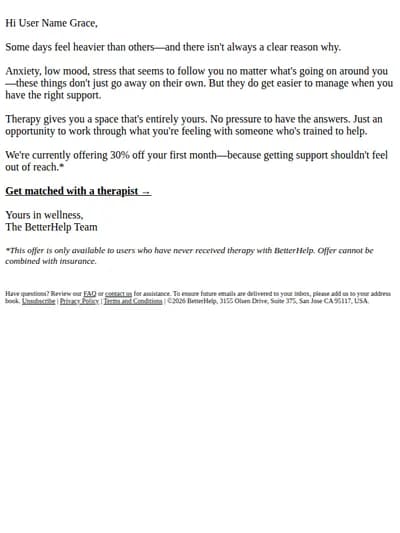
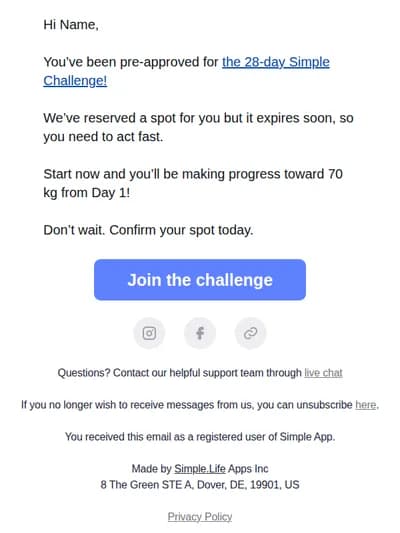
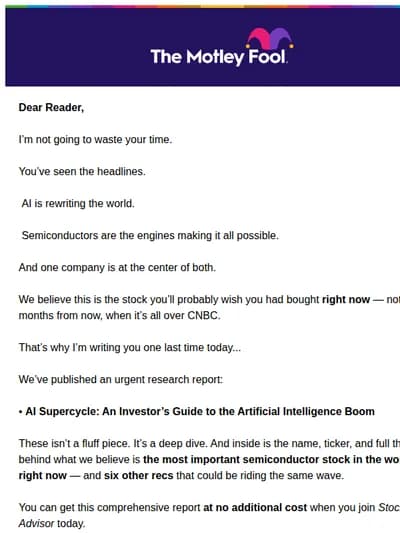
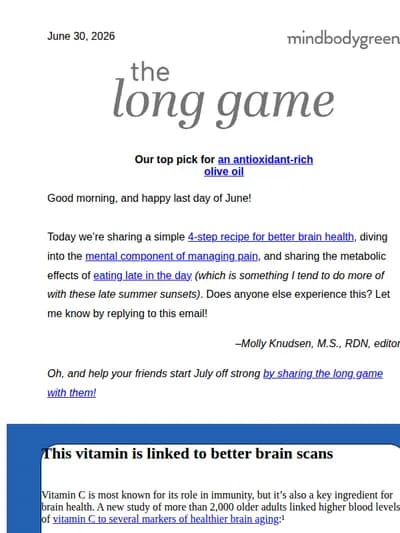
The mockup below shows the actual vault — filter chips at the top, real emails in the grid, classification tags on every card. You can browse a free preview at [the preview page](/preview) (no signup, no credit card) before deciding whether the full $19/mo access is worth it.
That said, BadRep isn't right for every buyer. If you need MailCharts's 10+ year archive depth, only MailCharts (via Litmus) has it. If you're a newsletter-only operator, Newsletrix at $9/mo goes deeper on that format. If you're an agency running multi-channel campaigns, Panoramata bundles email + ads + SMS. The rest of this guide is the honest comparison — including where we're weaker.
- Free preview at [the preview page](/preview) — browse a limited slice of the catalog with no signup, no credit card, before committing to the $19/mo self-serve tier.
- Closest self-serve MailCharts replacement. Same catalog-query workflow, structured classification, self-checkout signup — at a fraction of the price.
- 20+ classification dimensions. Filter every send by hook type / copy framework / ESP / funnel stage / awareness level / offer type / design style / psych triggers.
- Wellness / edtech / fintech / habit-change coverage deeper than MailCharts. MailCharts skews DTC e-commerce; ~50% of BadRep's 508-brand catalog is in these underserved niches. Browse niches here.
- Daily ingest — new sends appear within hours, not weeks. MailCharts's weekly-ish cadence is fine for archive depth but slow for staying current.
- Self-serve + cancel anytime. Sign up in a browser at $19/mo, no demo call, no annual contract. Try the free preview first if unsure.
- Every email pairs with a [brand page](/brands) and [niche context](/niches). Cross-brand aggregation and category benchmarks are built in — see the full email marketing benchmarks for what's derived from the catalog.




The seven tools worth comparing in 2026 — detailed profiles
Each tool profiled with pricing, workflow shape, strengths, gaps, and the buyer it fits.
Every profile below is written from actual use plus alternatives page detail. If you want a deeper single-tool comparison against BadRep specifically, the linked pages go 2000+ words each with feature-by-feature comparisons.
- 01
1. Milled — free, no signup, screenshot archive
Pricing: free. Workflow: search-and-browse. Coverage: thousands of consumer brands (originally built as a shopping coupon-hunting tool, adapted for marketer research). Strengths: zero friction — type a brand name, see their archive. Massive DTC brand coverage. Nothing to buy, nothing to configure. Gaps: no classification (no hook type, no copy framework, no ESP tagging). No pattern surfacing (no way to answer 'how do welcome emails in wellness differ from DTC'). No archival guarantee — a brand's archive on Milled is what Milled happened to capture. Best fit: occasional one-off lookups when you already know the brand name. Full profile: Milled.
- 02
2. Really Good Emails (RGE) — free curated design gallery
Pricing: free tier, optional $15/mo Pro. Workflow: browse-and-inspire. Coverage: 19,000+ emails hand-picked by the RGE team for design quality since 2014. Strengths: highest signal-to-noise on visual inspiration anywhere. Strong design taste; the RGE picks set the bar most designers benchmark against. Free tier covers the core use case. Gaps: it's a gallery, not an intel tool — no filter by hook / framework / ESP / funnel stage. Curation reflects the RGE team's design preferences, not category coverage. Best fit: email designers building moodboards; marketers doing visual reference research. Wrong fit: structured competitive analysis. Full profile: Really Good Emails.
- 03
3. MailCharts (via Litmus) — enterprise-only since Nov 2025
Pricing: enterprise (low five figures annually) with annual contracts. Workflow: catalog + watchlist hybrid, deeply integrated with Litmus testing tools. Coverage: 2,500+ e-commerce sender programs, decade-deep archive back to 2013. Strengths: irreplaceable archive depth for longitudinal analysis. Mature UI refined over ten years. Tight Litmus integration for production email QA. Gaps: no self-serve since Nov 2025 — every new customer goes through sales. Pricing rules out solo marketers, freelancers, indie founders. Heavy DTC skew leaves wellness / edtech / fintech / B2B thin. Slow brand-addition cadence (weeks vs BadRep's daily). Best fit: enterprise lifecycle teams at established DTC brands with existing Litmus contracts and dedicated headcount. Full profile: Mailcharts.
- 04
4. Panoramata — multi-channel, $99/mo
Pricing: $99/mo. Workflow: multi-channel dashboard (email + paid social ads + SMS + landing pages in one product). Coverage: broad, varies by channel. Strengths: single-pane visibility across the channels an agency team actually manages. Cross-channel cohort tracking (see a brand's paid ad → landing page → email flow). Gaps: because it splits attention across channels, the email-specific depth is shallower than email-only tools. Classification is lighter than BadRep. Price is on the higher side for solo marketers. Best fit: agencies managing multiple clients across paid + email. Multi-channel operator teams at mid-market brands. Full profile: Panoramata.
- 05
5. SendView — sender watchlist, $69/mo
Pricing: $69/mo. Workflow: sender-watchlist. You give it a list of brands to track and it monitors those specifically, capturing every send. Coverage: whatever you configure. Strengths: tight sender control (only see brands you asked for). Good historical archive per tracked sender. DTC coverage is solid. Gaps: watchlist-only means no discovery — you can't 'browse the wellness category' the way you can on BadRep. If a brand you want to track isn't in their capture network yet, there's onboarding lag. Price is high for a single-workflow tool. Best fit: teams with a defined and stable competitive set (10–30 named brands). Wrong fit: exploratory research or discovery workflows. Full profile: Sendview.
- 06
6. Newsletrix — newsletter-specialist, $9/mo
Pricing: $9/mo (cheapest paid tool in the category). Workflow: newsletter-focused catalog with an AI analysis layer that scores subject lines against benchmarks and generates SWOT breakdowns of newsletter programs. Coverage: primarily newsletter operators (Beehiiv, Kit/ConvertKit, Substack senders). Strengths: purpose-built for newsletter-on-newsletter benchmarking. AI analysis is a real feature, not a gimmick. Cheapest paid tool that classifies. Gaps: coverage outside newsletters is thin — if you send lifecycle automations, promotional email, or e-commerce transactional, Newsletrix isn't your tool. Best fit: newsletter operators specifically. Full profile: Newsletrix.
- 07
7. BadRep — catalog + classification, $19/mo
Pricing: $19/mo, self-serve, cancel anytime, no annual contract. Workflow: catalog-query. Coverage: 500+ brands and 14,000+ classified emails as of mid-2026, growing weekly. Every email is tagged across 20+ dimensions on ingest — hook type, copy framework, ESP, funnel stage, awareness level, offer type, psych triggers, design style, send time. Strengths: cheapest classified catalog in the category. Daily ingest freshness. Deep wellness / edtech / fintech / habit-change coverage where MailCharts and SendView are thin. Self-serve signup with browser checkout. Structured filtering across every dimension. Rich brand pages and niche pages at /brands and /niches. Gaps: 2025-onward archive depth vs MailCharts's 2013-onward. Heavier consumer / DTC skew is not what BadRep is optimized for. Single-seat pricing (multi-seat coming). No API yet. Best fit: solo marketers, freelancers, indie founders, lifecycle consultants, small agencies doing structured research across categories. Full catalog at /brands.
- 08
8. Owletter — long-horizon tracker, $19/mo
Pricing: $19/mo, same as BadRep at a different workflow shape. Workflow: long-horizon sender tracking (5+ year archive for tracked senders). Legacy product with longer product tenure than most competitors. Strengths: unmatched historical depth for a small tracked sender set. Reliability of long product tenure. Gaps: UI feels legacy compared to newer entrants. Update cadence is slower. Watchlist-only. Best fit: teams that need multi-year longitudinal analysis of a specific sender set. Full profile: Owletter.
Feature comparison across the eight tools
Structured side-by-side comparison. What actually differs between tools.
The table below scans all eight tools across the dimensions that affect the buying decision. All prices in USD, monthly, single-seat unless noted. Read the row for your workflow, then click through to the linked /alternatives/[tool] pages for the deeper single-tool comparison.
Rows sorted by monthly price. First-column tool names link to full /alternatives pages.
| Tool | Price | Signup | Classification | Archive depth | Ingest freshness | Multi-channel | Free trial / cancel anytime | Best fit |
|---|---|---|---|---|---|---|---|---|
| Milled | Free | None | None | Variable | Variable | Email only | Free | Occasional lookups on consumer brands |
| Really Good Emails | Free (Pro $15) | Free | Curated for design | 2014-onward, curated | Curated | Email only | Free | Design inspiration, moodboards |
| Newsletrix | $9/mo | Self-serve | AI-scored, newsletter-focused | Product-founding onward | Daily | Email only | Cancel anytime | Newsletter operators (Beehiiv, Kit, Substack) |
| BadRep | $19/mo | Self-serve | 20+ dimensions per email | 2025-onward | Daily — fastest | Email only | Cancel anytime | Lifecycle marketers, wellness / edtech / fintech coverage |
| Owletter | $19/mo | Self-serve | Minimal — sender-focused | 5+ years for tracked senders | Daily on tracked | Email only | Cancel anytime | Long-horizon watchlist tracking |
| SendView | $69/mo | Self-serve | Partial | From onboarding per sender | Daily on tracked | Email only | Cancel anytime | Defined-set surveillance, DTC coverage |
| Panoramata | $99/mo | Self-serve | Partial (email focus) | From onboarding | Varies | Email + ads + SMS | Cancel anytime | Agencies, multi-channel operator teams |
| MailCharts | Low 5-figures / yr | Sales-led only | ~10 dimensions | Back to 2013 | Weekly-ish | Email only | Annual contract | Enterprise lifecycle teams with Litmus contracts |
Bold values highlight the category-leading position on each dimension. See individual /alternatives/[tool] pages for the full pros / cons / migration guides.
Decision framework — five questions to answer before you buy
Match tool to workflow. There's no universally right pick.
Answer these in order. Each question narrows the shortlist meaningfully.
- 01
Question 1 — is your research watchlist-shaped or catalog-shaped?
If you know exactly which 10–30 brands you want to track (and the list is stable), a watchlist tool fits (SendView, Owletter). If you're exploring patterns across a category, discovering brands you didn't already know about, or doing cross-brand aggregation, a catalog tool fits (BadRep, Milled, MailCharts, Newsletrix). Most lifecycle marketers benefit from catalog tools; most agencies with defined client sets benefit from watchlist tools.
- 02
Question 2 — is your scope email-only or multi-channel?
If you only need email intel, an email-only tool (BadRep, MailCharts, SendView, Newsletrix, Owletter) will go deeper per dollar. If your competitive research spans email + paid social + SMS + landing pages (mostly true for agencies), Panoramata's bundled dashboard pays back the higher price tag.
- 03
Question 3 — does niche specialization matter?
If your category is wellness apps, edtech, fintech, habit-change products, or spirituality/astrology, BadRep's catalog skews to your space (~50% of the 500+ brands are in these niches — see /niches for the breakdown). If your category is DTC e-commerce apparel / beauty / consumer goods, MailCharts (enterprise-only via Litmus) or SendView have deeper coverage. If your work is newsletter operations specifically, Newsletrix is purpose-built.
- 04
Question 4 — what's the price ceiling?
$0/mo: Milled + RGE cover occasional lookups and visual moodboards but no structured research. $9/mo: Newsletrix for newsletter operators. $19/mo: BadRep (catalog + classification) or Owletter (long-horizon watchlist). $69/mo: SendView (watchlist with classification). $99/mo: Panoramata (multi-channel). Enterprise (low 5-figures annual): MailCharts via Litmus for large lifecycle teams. The price ceiling narrows the shortlist fast — most solo marketers reject anything over $50/mo.
- 05
Question 5 — do you need archive depth or ingest freshness?
For longitudinal analysis of a program over 3+ years, MailCharts or Owletter have the depth. For staying current on today's category shifts, BadRep's daily ingest is fastest. Most workflows don't need both — pick one axis and match the tool.
Migration checklists — moving between tools
The three common transitions in 2026, step by step.
Every migration below assumes you're doing it yourself. If you're at enterprise scale, your tool provider usually handles the migration; ignore the checklists.
- 01
Migration A — MailCharts self-serve → BadRep
The single most common transition of 2026. (1) Export your MailCharts watchlist and saved searches — Settings → Export, or contact Litmus support if export was disabled at your tier. (2) Sign up at BadRep with browser checkout ($19/mo, no demo call). (3) Recreate your watchlist by visiting each /brands/[slug] page — if a brand is in the catalog, star it; if missing, submit via /request-brands and paid subscribers go to the front of the ingest queue. (4) Set up filter saved searches in the vault (same filter dimensions as MailCharts, slightly different UI). (5) Optional: bookmark /niches for category browsing that MailCharts didn't have. Total time: about 30 minutes for individual marketer; half a day for a small team. Full migration guide: Mailcharts.
- 02
Migration B — burner inbox → BadRep (scaling up)
Common when a burner-inbox research practice hits the ~20 brand ceiling. (1) List the brands you're currently tracking in the burner. (2) Sign up at BadRep. (3) Star each of your watchlist brands in the catalog. (4) Set up saved-filter shortcuts for your standard research questions (per-brand welcome flows, category-level patterns, etc.). (5) Rotate your burner Gmail address to a smaller watchlist (5–10 brands you want raw inbox context for) or retire it entirely. Full burner methodology: test competitor emails safely.
- 03
Migration C — Newsletrix → BadRep (or vice versa)
Some workflows benefit from both — Newsletrix for newsletter-specific benchmarking, BadRep for the broader lifecycle picture. Migration in either direction: (1) Note which brands you're actively researching. (2) Sign up at the new tool. (3) Try to recreate your workflow for 2 weeks in parallel. (4) Decide: consolidate to one, or keep both. Most marketers we've talked to keep both if their work spans newsletter operations + lifecycle marketing. Full comparison: Newsletrix.
Free vs paid — when a free tool is enough
Milled and RGE cover more workflows than most marketers realize.
Not every research workflow needs a paid tool. The free tier is genuinely sufficient in three scenarios.
- Scenario 1 — occasional lookup. You need to see what a specific brand sent, once, when it comes up. Milled handles this — no signup, brand name search, done. Full profile: Milled.
- Scenario 2 — visual inspiration. You're building a moodboard for a campaign design. RGE's curated gallery is the industry standard. Free tier + optional $15/mo Pro. Full profile: Really Good Emails.
- Scenario 3 — small watchlist, low-frequency. 5–10 brands, monthly review, no need for classification. A burner inbox handles this at $0 (see test competitor emails safely for the setup). Free tools + burner inbox together cover a real slice of the market.
- Where free tools break down: 20+ brand watchlists (Milled coverage is uneven), classification needs (nothing free classifies structurally), category-level aggregation (nothing free does cross-brand aggregation), longitudinal analysis (nothing free has archive depth), audit trail needs (nothing free is source-of-truth quality).
- The paid tier decision usually happens when a marketer has 10+ brands, weekly review cadence, and wants filtering by hook or ESP. At that point, Newsletrix at $9/mo, BadRep at $19/mo, or Owletter at $19/mo are the entry points.
Common buying mistakes
Five mistakes lifecycle marketers make when picking a tool. Each has cost real money and time.
We've watched marketers make each of these. They're all recoverable but they waste 1–3 months.
- Mistake 1 — picking the cheapest tool without matching workflow. Newsletrix at $9/mo is a great deal for newsletter operators and a bad deal for DTC lifecycle marketers because the coverage doesn't overlap. Match workflow first, price second.
- Mistake 2 — assuming free tools scale. Milled and RGE are excellent for their scenarios (see above). Neither scales to weekly structured research past 5 brands. If you're spending 3+ hours per week in Milled, you're paying yourself $30–60/hour to do what a $19/mo tool would do in minutes.
- Mistake 3 — buying enterprise tier before you need it. MailCharts via Litmus is the right tool for enterprise lifecycle teams. It's the wrong tool for a 3-person growth team at a Series A startup. The annual contract commitment alone rules it out for most sub-enterprise buyers.
- Mistake 4 — picking a watchlist tool for exploratory research. SendView and Owletter are excellent at what they do (tracking a defined sender set). They're the wrong shape when your research question is 'I don't know who my competitors are — help me discover them.' Catalog tools fit exploratory work; watchlist tools fit surveillance.
- Mistake 5 — not trialing before committing to an annual plan. Every tool in the category except MailCharts (enterprise-only) offers month-to-month. Trial for 30 days before you commit to any long-term commitment. If a vendor pressures you to annual up-front, that's a signal.
Recap and where to go next
Quick summary + directory of the deeper per-tool pages.
The one-line summary of each tool:
- Milled — free browsing of consumer brand archives. See Milled.
- Really Good Emails — free design gallery for inspiration. See Really Good Emails.
- MailCharts (via Litmus) — enterprise-only since Nov 2025, deepest archive. See Mailcharts.
- Panoramata — $99/mo, multi-channel (email + ads + SMS). See Panoramata.
- SendView — $69/mo, sender watchlist. See Sendview.
- Newsletrix — $9/mo, newsletter-specialist with AI scoring. See Newsletrix.
- BadRep — $19/mo, catalog with 20+ classification dimensions. Browse the catalog at /brands or by category at /niches.
- Owletter — $19/mo, long-horizon sender watchlist. See Owletter.
Related methodology — where to go next
The full cluster of guides in the competitor email intelligence category.
This is the tool buyer's guide. For the strategic and methodological cluster:
- The category pillar: competitor email intelligence
- How to spy / track / monitor / check: how to spy on competitor emails
- Burner inbox setup (the tool-free alternative): test competitor emails safely
- How to research a single brand's program: how to research a brands email program
- Estimating performance from outside: measure competitor email performance
- Seven-layer email teardown template: how to do an email teardown
- Data-driven category benchmarks: email marketing benchmarks
- The comparison page for every tool: /alternatives
Questions marketers ask.
What's the best email marketing intelligence tool in 2026?
Is there a free email marketing intelligence tool?
Why did MailCharts shut down self-serve?
Is BadRep the cheapest tool in the category?
Should I use MailCharts or BadRep?
What's the difference between a catalog tool and a watchlist tool?
Do I need a paid tool if I already use Milled or RGE?
How do I migrate from MailCharts to a self-serve alternative?
Can I use multiple email intelligence tools together?
600+ brands. 20,000+ classified emails.
Inside the vault.
Filter by hook, framework, ESP, funnel stage — search every send. $19/mo. Cancel anytime.
Browse the vault — free